The Meal That Fixes Everything
He had a bad day. Not a catastrophic one. Just the kind that accumulates. You made the thing he mentioned wanting three weeks ago. Watch what happens next.
He mentioned it once. Probably in passing, not as a request, just as something that crossed his mind. “I haven’t had that in a while.” Maybe it was a specific dish. Maybe it was a version of something his mother made. Maybe it was just a category of food he associates with a time when life had fewer moving parts.
You filed it. Three weeks later you made it.
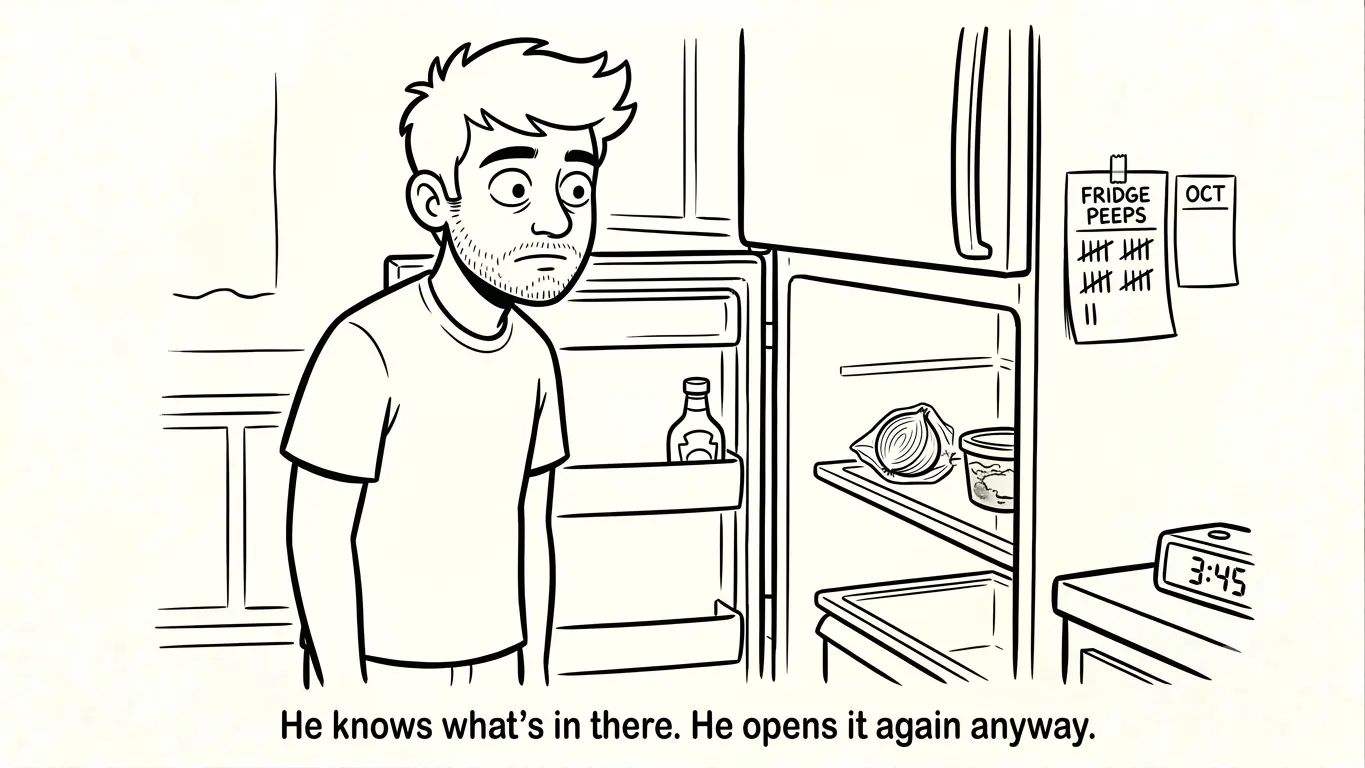
The reaction was disproportionate to the action. Not embarrassingly so, not roses and a speech, but noticeably more than the meal warranted. Something settled in him. The evening was different. He was easier, more present, more like the version of himself that shows up when nothing is wrong.
You noticed. You probably didn’t say anything. You made a small mental note.
That note is correct. Here is why.
Food Is a Language He Understands Fluently
Research on comfort food patterns has found consistent differences in what men and women reach for when they’re stressed or depleted. Men tend toward warm, substantial, meal-type foods: things that feel like dinner, not snacks. Things with weight. Things that take a plate.
But the more interesting finding isn’t about the food category. It’s about the function. For men, the research suggests, comfort food isn’t primarily about taste. It’s about what the meal means. And a meal that someone made for you, specifically for you, based on something you said in passing weeks ago, means something that a restaurant meal, however good, cannot replicate.
It means you were heard. It means you were thought about when you weren’t in the room. It means someone converted a small piece of remembered information into an action designed specifically around you. That is an act of care so direct and so tangible that it bypasses everything and lands clean.
Why This Works Better Than Almost Anything Else
He is not going to say “I feel emotionally validated.” He’s going to say the food is good, and eat two portions, and be in a better mood for the rest of the night.
But under that: he spent a day in a world where most things are transactional, where effort is exchanged for output, where care is mostly abstract. He came home and there was something specific and warm and made for him. His nervous system knows what that means even when his vocabulary doesn’t have the words for it.
Food is how men mark moments: celebrations get a special meal, hard days get comfort food, ordinary Wednesdays become something else entirely when someone pays attention. It is also how men receive care in its most undeniable form. You cannot argue with a meal. It is there, it is real, and it required someone to think about you.

The Unremarkable Wednesday
The most underrated version of this is when there is no occasion at all.
Not his birthday. Not after a fight. Not a recovery from something hard. Just a Tuesday, nothing special, and you made the thing. That randomness is what makes it. It says: I thought about you when there was no particular reason to. You were in my head on a regular day. Here is the evidence.
He will not have the words for this in the moment. He will eat the food. He will be better company. He will do the dishes without being asked, maybe, or at least not disappear immediately after dinner.
Small signals, all of them. But you’ll know what they mean. For the data on what happens at the table when you’re watching, the pizza study explains why your presence is already an ingredient.
This is an excerpt from Chapter 11 of Beers, Burgers and Booty. The full chapter covers food as care, the specific magic of the unremarkable Wednesday meal, and why the thing he mentioned once in passing is worth remembering. It’s in the book.